


Roofing’s Most Common Questions

A Definitive Guide
COMMON ROOFING PROBLEMS
Walls and floors are important for a comfortable home, but your roof is the star of the show when it comes to keeping your family shielded from severe weather. Unfortunately, many people forget to care for their roof, because it is a part of the house they can’t easily see. You are not likely to notice if something is damaged because of wear and tear from the elements. There are five common roofing problems your roofer sees on a regular basis, from Tyler over to Waskom these hold true. All of these roofing issues start as minor roofing concerns, but before you know it, they become major roofing problems.
The climate in Shawnee and Oklahoma City areas can make the roofing process problematic. Some issues may require only a simple roof repair, but others can be costly. To handle these regional problems, you need to hire a local roofer familiar with avoiding these common mistakes.
Below Are 5 Common Oklahoma Roofing Problems
Shingles
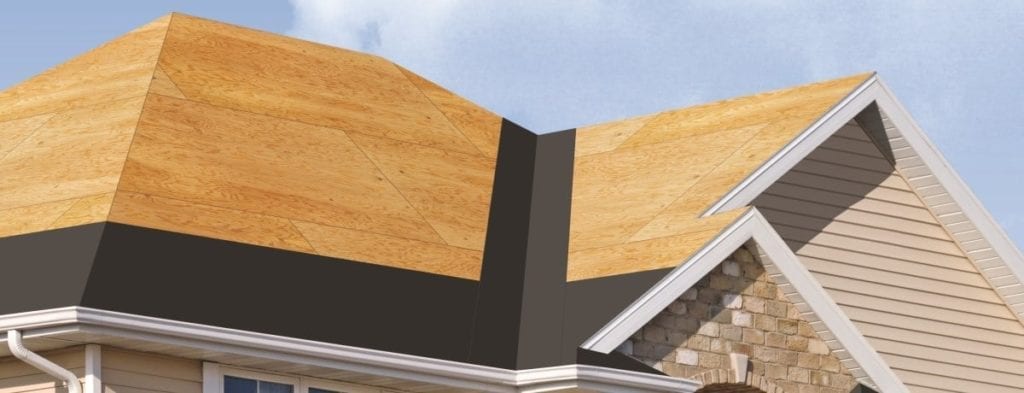
All Oklahoma new roofs started off as a wooden frame, with wood panels attached to hold its structure. Of course, wood can’t keep moisture out of your home, so the entire surface of your roof is covered with shingles. When your shingles start to curl, become damaged, or fall off altogether, rainwater can get in. Many roofing problems in Oklahoma started as improper ventilation or poor roofing installation. These causes rot in the wood, and it can lead to other problems like mildew, mold, and a leaky roof getting on your ceilings.
Flashing
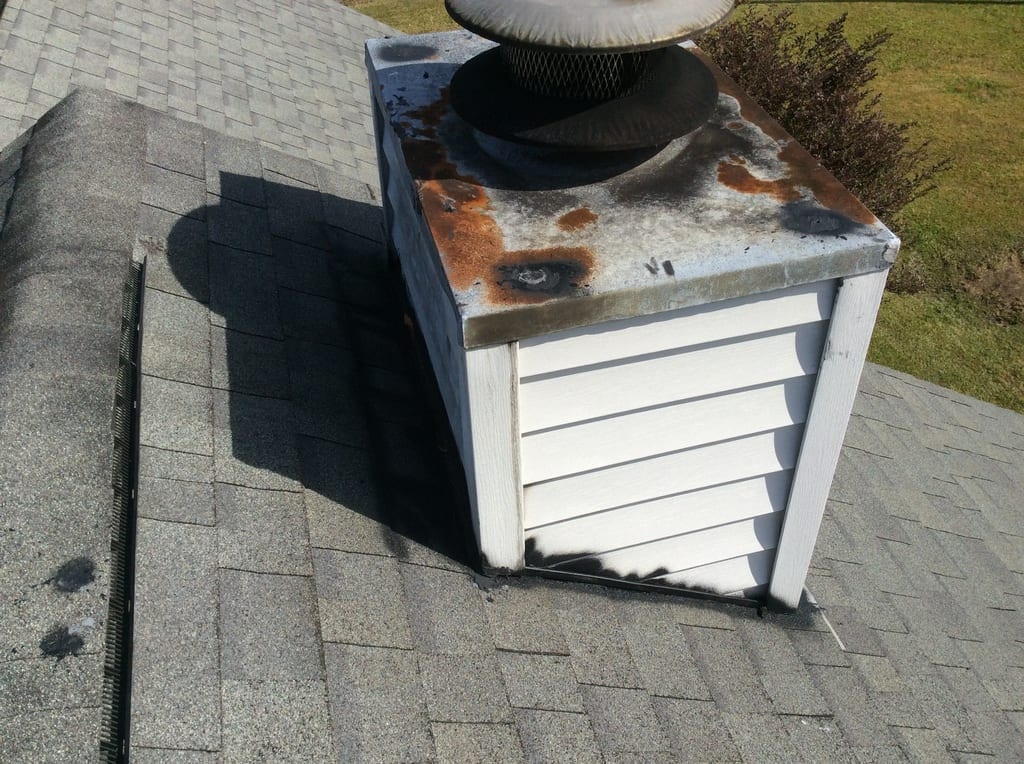
Your heating and air conditioning units vent outside, along with your furnace which causes many common Oklahoma roofing problems. Often, the vents go out through your new roof, which requires holes in the wood structure felt and shingles. Your local roofer uses metal or plastic flashing called pipe jacks to keep these features sealed tightly so that no water squeezes between the vents and the new roof. Damaged or missing flashing is another way to create a water leak through your roof into your home.
Gutters
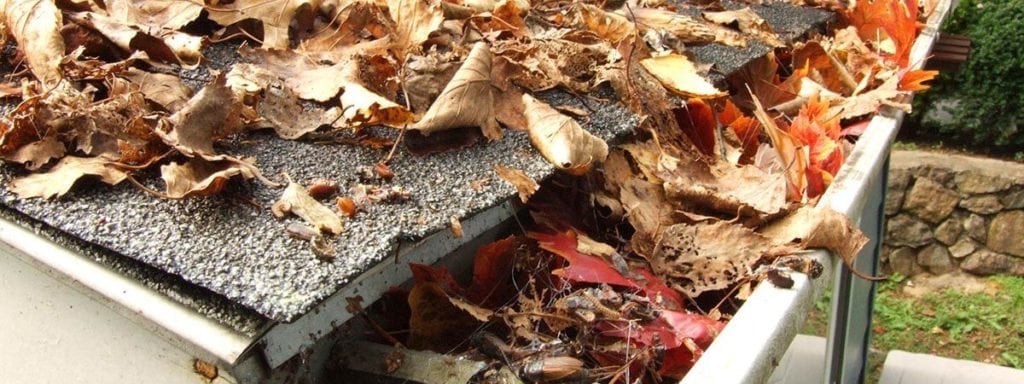
Your gutters serve to move the rainwater away from the walls and foundation of your home, which prevents damage to the property. However, they can easily get blocked by sticks, leaves, and even kid’s toy-like tennis balls and small plastic footballs. Under extreme weather conditions, gutters can fill with water becoming very heavy and become detached or let water under the shingles and leak into your home. Gutters are another very common Oklahoma roofing problem even though they are not technically part of the roof.
Fascia
Fascia is the name of the wooden panels that frame your roof and face outward, adding a finished look to your home. These pieces are often more fragile than other features of your exterior, so heavy winds and rain can jar them loose. This is another opportunity for moisture to seep inside. Your Oklahoma home should have what is called drip edge running along the top edge that keeps the rain off the fascia and helps prevent rot.
Soffit
This unusual word is the proper name for the area underneath your roof’s overhang. It is more sheltered from the elements than other parts of your Shawnee home, so birds, squirrels, and other creatures often make themselves a little nest. As your home ages, it gets easier for them to find or make holes in this area, allowing them access to your walls and ceilings.
Here Are 5 More Very Common Roofing Mistakes
- Jon Giuliano
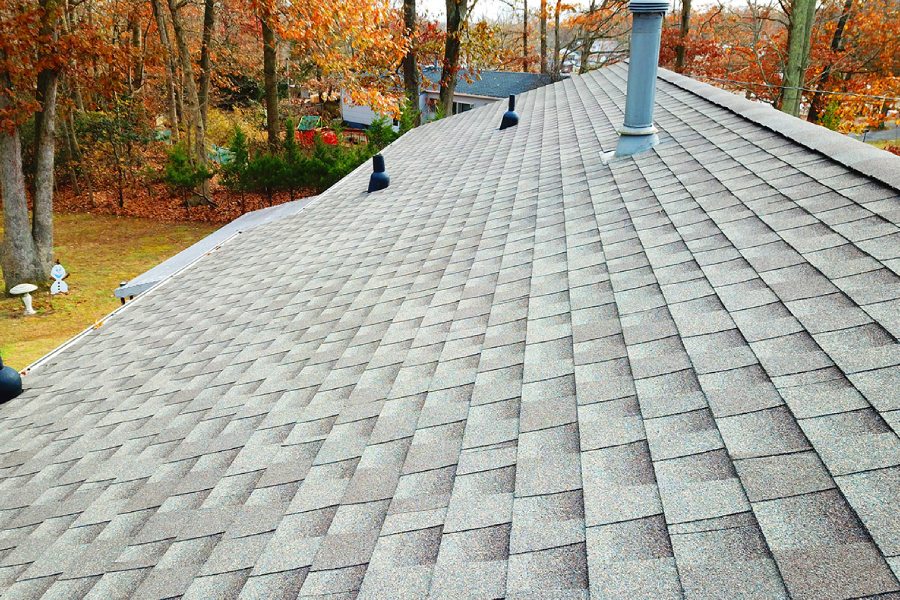
A roof with a pitch of 2:12 or lower is not ideal for shingling because shingles create a water-shedding roof layer, not a waterproof one. If water flows down the roof thanks to gravity, things are fine. However, if an area is too shallow a pitch, water seeps or wicks up under the shingles and creates leaks. Legend Roofs prefers not to install shingles on any structure under a 4:12 pitch. The best option is to use single-ply materials like TPO/PVC or a specialized asphalt product.
- Not Installing Drip Edge
Though a drip edge is only required on a home’s eaves, they are recommended on the home’s rakes as well. This small metal trim piece positioned just right after the shingle’s edge, does the following:
- Repels squirrels and insects
- Prevents rain from getting through the roof’s edge
- Channels water away to prevent fascia rot
- Stops sagging shingles
The drip edges must be fastened every 8 to 10 inches, and the shingles must only overhang the drip edge by about 1/4 to 3/4 inche
- Using an Improper Starter Course
Utilizing upside down three-tab shingles is a common practice but using them correctly means applying the unique starter material furnished by the manufacturer and setting them about 1 inch from the tar line and the roof’s edge.
- Ignoring Leak Barrier Problems
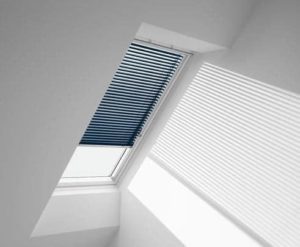
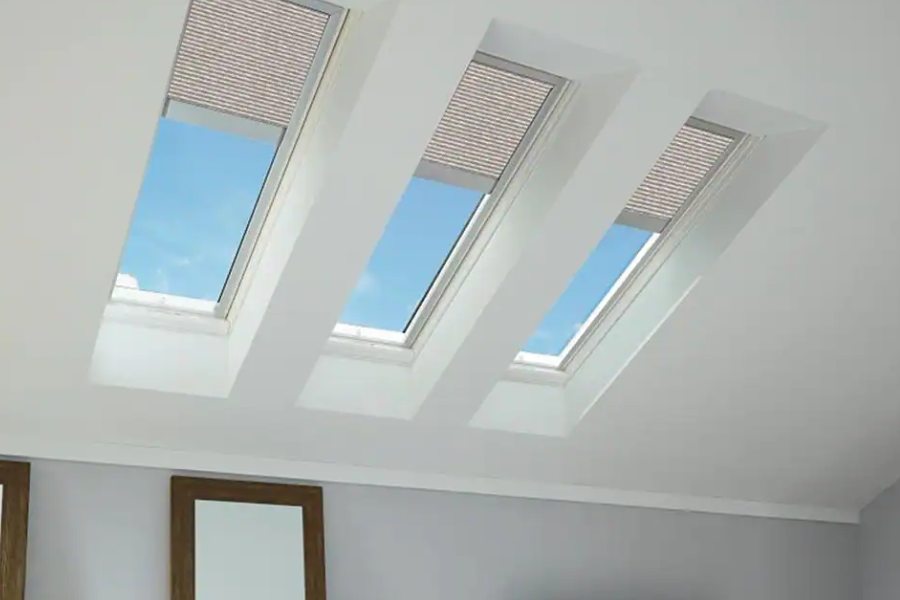
Make sure the roofer provides leak barriers in all valleys and around all skylights.
- Nailing Issues
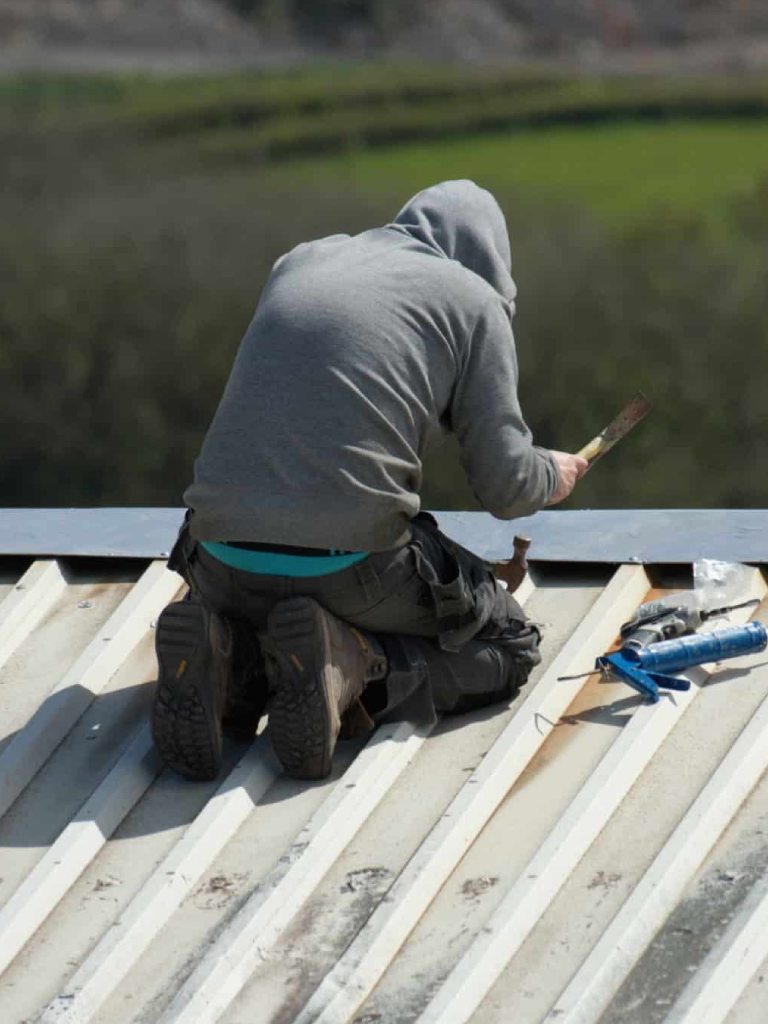
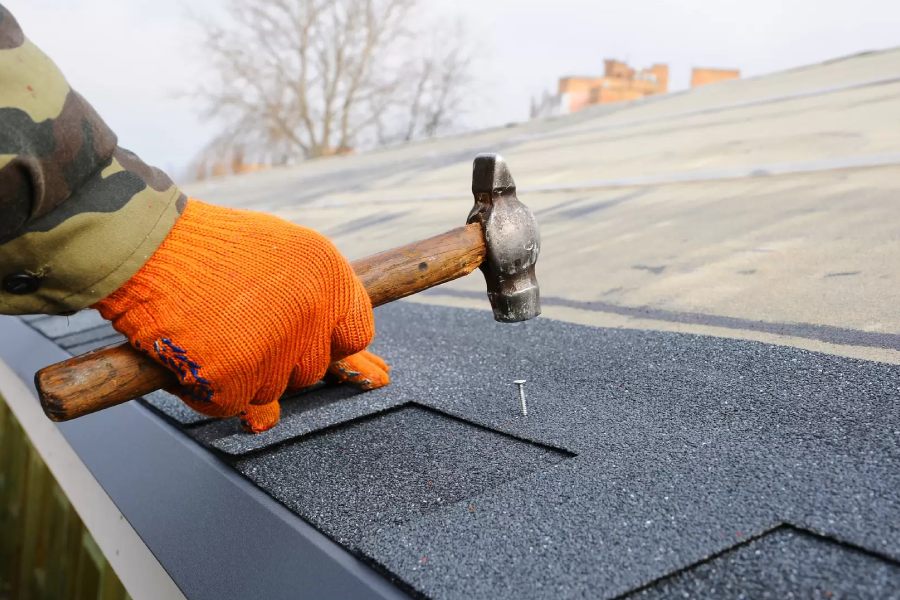
Shingles constructed of a fiberglass mat and asphalt tear when nails are inserted at an angle, and these damaged shingles must be thrown out. Similarly, nails that are over-driven can tear a shingle’s mat. High nailing is another common problem when using a dimensional shingle, a two-ply affair with a thin area glued together. Failing to nail the shingle in the right place can make the bottom ply come apart and cause leaks.
Additionally, roofers shouldn’t use a rainbow arch where utilizing two end nails is preferable. Roofers must also avoid “shiners”: nails that can be seen from the ground and can cause leakage.
Legend Roofs knows how to avoid these common Oklahoma roofing errors and get the job done right to provide a quality service to the city of Shawnee through Oklahoma.
Don’t let small problems turn into big ones in your home. Legend Roofs, Your Oklahoma roofing company offers appointments to provide basic prevention and maintenance. If you do notice signs of water damage, call right away.
LEAKS
If you live in Shawnee, Oklahoma City, or surrounding areas our staff at Legend Roofs is ready and able to take care of all your roofing needs. You may feel that a problem such as a leaky roof is not an emergency and can be put off until your budget is healthier. But, in reality, if you don’t take care of this problem in a timely manner, the leak may cost you much more time and money in the future. In roofing Longview work done by Legend Roofs, we see these common problems often.
Problems Caused By A Leaky Roof
The roof of a home or other type of building protects the contents beneath it from wind, hail, rain, ice, and extreme temperatures. If you neglect the repair of even a tiny leak, the problem may quickly escalate and cause further damage. This damage may result in rotten wood or turn your insulation into a paste-like substance, and over time it will weaken the structure of your home or business.
Detecting A Leak
Leaves clogging gutters can lead to roof leaks
One of the first clues that indicate you have a leak in your roof is water stains on your ceiling. Other signs may be mold or foul, musty odors in the building. Call us to come out and inspect the roof if you detect any of these warning signs. These problems don’t necessarily mean that you need a new roof. The issue may be resolved by replacing some of the flashings, repairing torn seams, replacing cracked shingles, or remedying trapped moisture underneath the roof cover. There are many common roofing problems that could be affecting your Longview home.
Don’t wait for a seemingly innocuous issue to become a large expense. Call on our staff at Legend Roofs when a roof repair is needed for your home or business. Our products and services are unparalleled because we take the time to earn certifications that enable us to meet rigid standards of quality. We try to analyze our services in the same way that you, our customers, evaluate us. Our goal is to be known as a company that not only provides quality workmanship but also is a business that respects your property, landscaping, and environment as if it were our own.
A leaky roof can be a minor problem that can blow up into a full-blown deserter fast. Always call a qualified roofing expert in the Shawnee area at first sight of an interior stain on your home.
Add Your Heading Text Here
Add Your Heading Text Here
Roof Leaks and Moisture
When hearing the term “leaky roof,” many people conjure up images of heavy rainfall splashing through visible holes in a roof. This dramatic scene, however, is seen more often on Hollywood screens than in real households. In fact, a roof leak may not be obvious at first glance by an untrained individual. Some signs that a roof may have a leak that homeowners can easily spot include the appearance of mold or algae on the roof, discolored spots on the roof or ceiling, and an overly hot attic, as well as missing or misshapen shingles. Of course, homeowners should also be concerned about more obvious signs, such as excessive moisture, holes, or dripping water found on ceilings or walls. If any of these signs or other indications that point towards roof repair are spotted, homeowners should contact a qualified, professional roofing contractor to have the roof evaluated for a leak.
While a minor roof leak may not seem like a major problem, the truth is that even the smallest leaks can lead to destruction. Over time, a small leak may lead to problems such as the development of mold and water spots on the roof and ceiling. Other damage caused by leaks may include ceilings and roofs that succumb to rot. The presence of mold and rotting is caused by excessive moisture coming into contact with the wooden structure. Eventually, the rotting of the wood may cause roofs to cave in. This can lead to unsafe conditions inside of the home, whether due to the air quality from the presence of mold or the risk of a weakened structure collapsing. Repairing these problems can become expensive when the damage has had plenty of time to wear down the structure. Fortunately, if a professional roofer is on the case at the first signs of a leak, this severe damage can often be prevented.

Unfortunately, a leaky roof Shawnee is a common problem encountered by homeowners. If a roof leak is suspected, it should be addressed as soon as possible, regardless of how big or small the leak may seem. Consulting a roofing contractor will ensure that the cause of the leak is determined and stopped instead of simply temporarily patched. In many cases, a simple roof repair at the first signs of damage can save homeowners hundreds of dollars in the long run.
Knowing you have a roof leak is usually obvious when you see the water spot on your ceiling. However, it can be much harder to pinpoint the cause of the leak. You may assume your shingles are at fault, but it could be missing flashing around a chimney, or some other entry point, that’s allowing the water to get inside your attic. Once inside the attic, water can travel along rafters and other horizontal surfaces making it difficult to find the exact entry point.
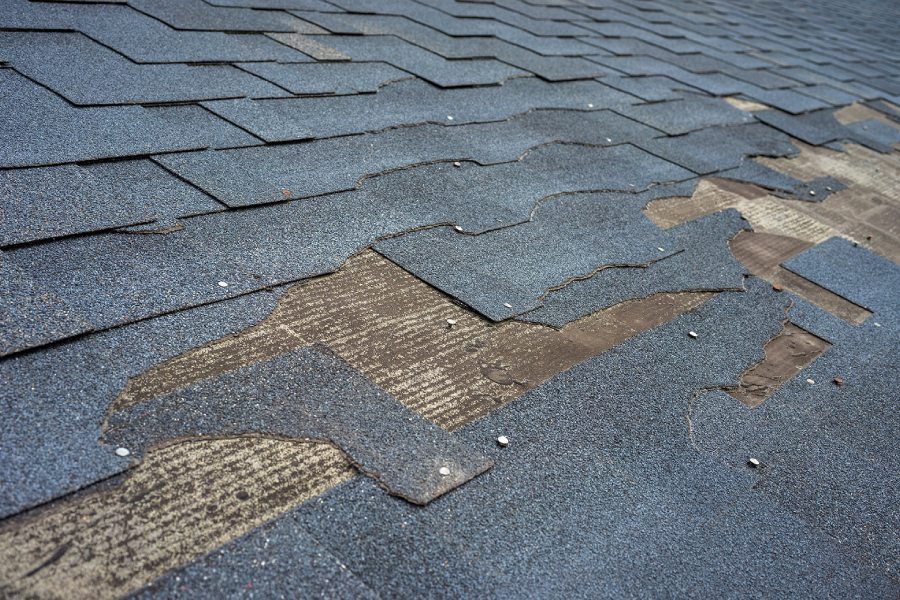
If shingles are missing, cracked, or otherwise damaged, water can, over time, begin to leak into the home. A leak can start out small and slowly cause a lot of damage if a warning sign is ignored.
Water entry can also be caused by an ice dam. Ice dams are formed by the continual thawing of snow over the warmer portions of the roof and refreezing over the cold eave. The ice dam can cause water to back up under the shingles. If your roof doesn’t have an ice & water underlayment installed under the shingles, you could be experiencing leaks.
You may need to have a professional roofing contractor help diagnose your leak issue. The roofing profession
Add Your Heading Text Here
Inspections Maintenance: Potential signs of a leak:
- Water spots on your ceiling or walls
- Missing shingles
- Cracked or damaged shingles
- Missing or damaged flashing or boot covers to roof penetrations
- Water spots or wet roof decking (seen through the attic)
STORM AND HAIL DAMAGE
While your roof is designed to withstand the elements, some storms are more intense than others. There are signs to look for when you believe there may have been damage to your roof. Please be safe when inspecting your roof—possibly view from a window inside the house or use binoculars from the ground. If in doubt, call a professional roofing contractor.
Hail Damage
Usually, hail is not something that you can miss—it is typically a widespread weather event in a neighborhood and not isolated to just one house on the block. Hail can bruise a shingle causing an indentation that may be hard to see but that can crack the shingle allowing water to infiltrate over time. You may need the assistance of a professional roofing contractor to determine the scope of the damage. If you have hail damage, you will need to file an insurance claim.
If your hail event was significant in terms of widespread damage, you will have roofing contractors who specialize in “storms” knocking on your door within days of the event. As always, you should use your best judgment when selecting a contractor.

Potential signs of hail damage:
- Other collateral hail damage around the house; dents on cars or other items on your house or in your yard
- A distinct pattern of small round-shaped divots on the edges of the shingles
- Indentations in the shingle where granules are missing
- A large pile of granules at the end of your downspout; a small amount is normal, especially on new shingles
- Hail Damage on other items on the roof
WIND DAMAGE
Significant wind can cause shingles to blow off the roof deck. Missing shingles can lead to leaks and other interior damage. Other wind damage may not be easy to see, especially if the adhesive seal that provides a water-shedding surface is broken. Always be safe when checking for roof damage. Call Legend Roofs, a professional roofing contractor, for assistance.
All manufacturers publish a wind warranty on their shingles; it is important to compare the wind coverage when making your shingle selection on a new roof. If the winds that caused the shingle damage were above the manufacturer’s wind coverage, you’ll need to file an insurance claim. If they were not, contact the shingle manufacturer to file a claim.
Potential signs of wind damage:
- Missing Shingles
- Horizontal Lines-Creased Shingle
- Curled Shingle Edges
- Missing Granules
- Cracked Shingle
FALLING DEBRIS
During some storms tree branches or other failing debris can land on your roof. Some items are small and won’t cause an issue— other items are so large that you will naturally be concerned about damage. Use your best judgment. You may need to have a professional roofing contractor inspect your roof for damage. If you have damage from debris on your roof, you will need to file an insurance claim.
Inspections Maintenance: Potential signs of debris damage:
- isual identification of debris on the roof deck
- Missing shingles
- Cracked shingles
- A large pile of granules at the end of your downspout; a small amount is normal, especially for new shingles
Add Your Heading Text Here
ROOF TYPES
Whether you need a new roof for your existing home or you’re building a brand-new house, it’s essential to choose a quality roof. A roof offers far more than just protection for your home. It has the potential to affect energy efficiency, overall space, and light throughout the home. You also want to consider the overall style the roof will bring to the home when making your decision.
At Legend Roofs we build the strongest roofs in the industry. We strip the old felt off your deck, remove all nails to minimize future nail pops, then inspect your deck for rotten wood before we install your new felt. When installing your new shingles, we add WinterGuard in all valleys and around all pipes and potential leak areas like chimneys and skylights. These extra steps are not standard but are our way of going the extra mile to minimize the chance of a leak. The best roofs are from the CertainTeed Corporation and installed by Legend Roofs Contracting.
WIND DAMAGE
Significant wind can cause shingles to blow off the roof deck. Missing shingles can lead to leaks and other interior damage. Other wind damage may not be easy to see, especially if the adhesive seal that provides a water-shedding surface is broken. Always be safe when checking for roof damage. Call Legend Roofs, a professional roofing contractor, for assistance.
All manufacturers publish a wind warranty on their shingles; it is important to compare the wind coverage when making your shingle selection on a new roof. If the winds that caused the shingle damage were above the manufacturer’s wind coverage, you’ll need to file an insurance claim. If they were not, contact the shingle manufacturer to file a claim.
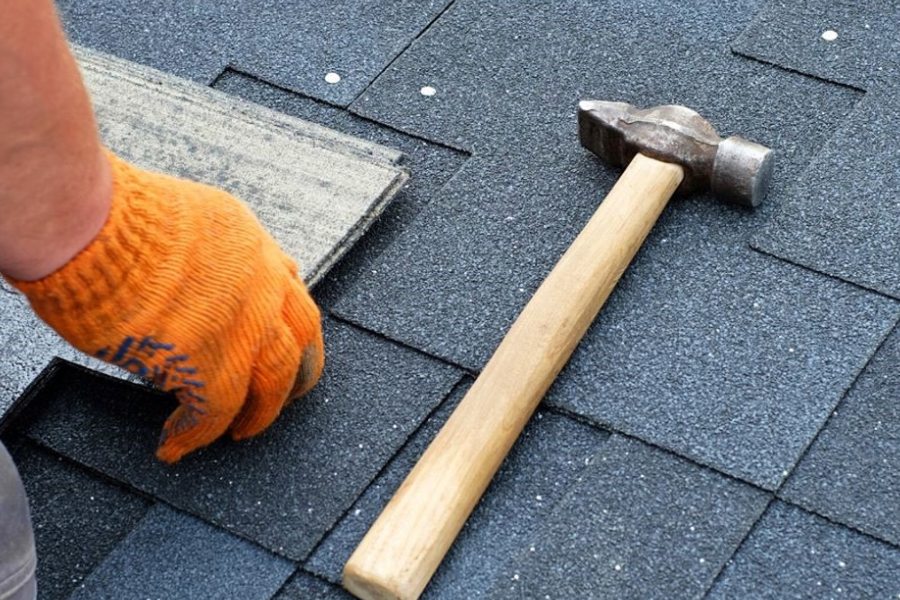
Here are some examples of common roofs in the Oklahoma area.
The Hip / Hip and Valley Roof
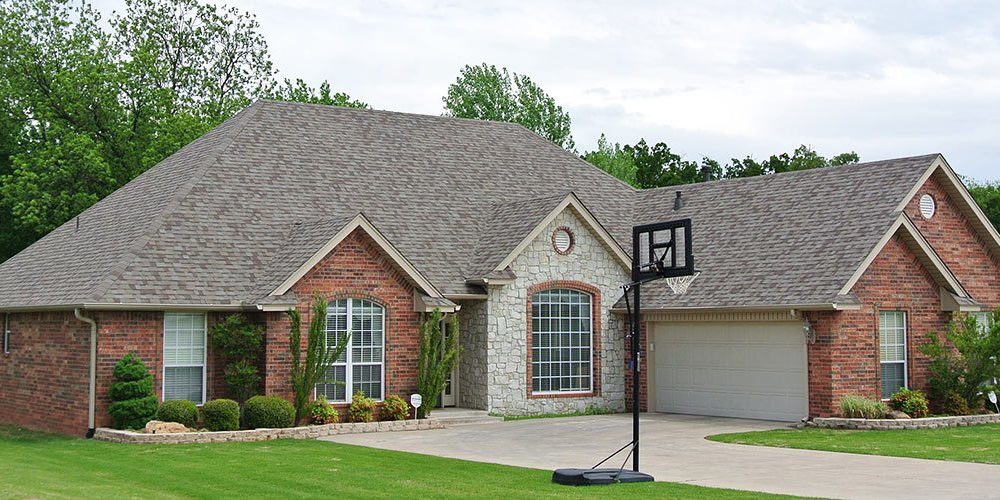
An excellent type of roof to discuss with your roofing contractor is a hip roof, which slopes on all sides. The sides are the same length, and at the top, they come together, forming a ridge. This type of roof is more stable than the gable roof, mentioned below, so they work well in areas that are snowy and areas that get high winds. In Oklahoma high wind regions, this is an excellent roofing system to choose from. These roofs also offer plenty of ventilation, the ability to include additions, and extra living space.
Hip / Hip and Valley Construction Style
The hip roof has four sides and is always slopped on each side. The sides are of equal length and meet at the top of the rooftop form the ridge of the home. The hip and valley home is constructed very similarly to the hip roof and falls into the Shawnee common roof types as well. There are fifteen roofs that would be fairly common in the Oklahoma area for various reasons however we will concentrate on these roofing systems which are most common in Shawnee and Oklahoma City.
A common hip and valley roof would have an L shape to it that creates a valley, and this is where the name hip and valley comes in. The hip roof would be considered a better roof type by some Shawnee roofer since there are no valleys to contend with. The construction of a valley with roofing materials leads to a little more complex roofing job. The valley in a hip and valley roof also leaves a chance for a roof leak and a need for roof repair if not constructed properly. The proper way to build a valley would be to start first by making sure all nails and debris have been removed. The first product to put on your roof building a valley is called ice and water shield. The CertainTeed Corporation makes a product called WinterGuard that Legend Roofs uses daily on all homes reroofed in Shawnee and Oklahoma City.
Add Your Heading Text Here
Add Your Heading Text Here
Pros and Cons of Hip Roof
Hip roofs are a very stable roofing system due to the inward slope of all sides of the roof. This makes the hip roof excellent in high wind and heavy snow areas. Hip roofs also offer some extra living area for a vaulted ceiling and attic room. The hip roof allows for good attic ventilation which is critical for a long roof life along with making additions like dormers and crow’s nests easier. I would recommend no less than a 4/12 pitch for roof warranty reasons and my personal favorite is a 7/12 which gives better attic room and is easier to reroof and doing roof repairs.
The Gable Roofing System
One of the most popular and best roof options for a Longview home is the gable roof, which is often called the peaked or pitched roof. They have a triangular shape and offer many benefits. They shed both snow and water easily, provide great ventilation, and they offer plenty of space for vaulted ceilings or a full attic. Since they have a simple design, they are cheap and easy to build, which can save you money.
We have roofed many gable roofs in Shawnee and Oklahoma City and one reason stands out, the gable roof is simple. You can recognize a gable roof quickly by its triangle shape. Gable roofs shed water easily and quickly as well as snow for more snowy regions. The simple design makes the gable roof cheaper and easier to build. You can roof a gable style home with practically any roofing material. The simple design makes the gable roof great for asphalt shingles, metal, standing seam, slate, and a host of other roofing materials. A true gable roof with standing seam metal would just about guarantee no leaks.
Different Styles of Gable Roofs
There are several different styles of gable roofs. You have the side gable, crossed gable, front gable, and Dutch gable as most popular gable roofs. In Shawnee, the Dutch gable is a very popular roofing style. A Dutch gable is a cross between a hip and gable roof.
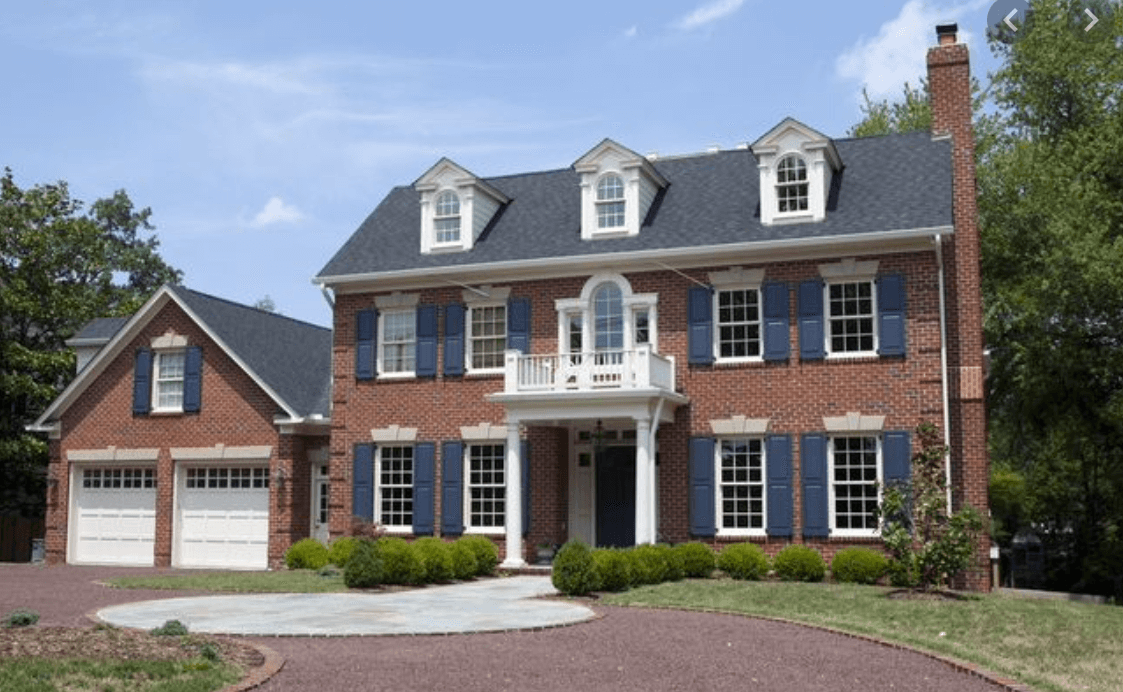
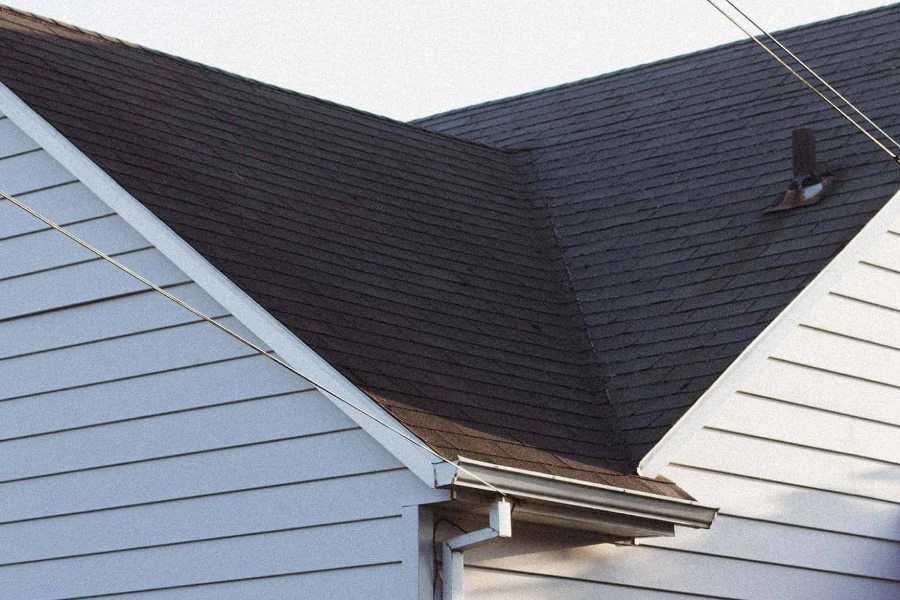
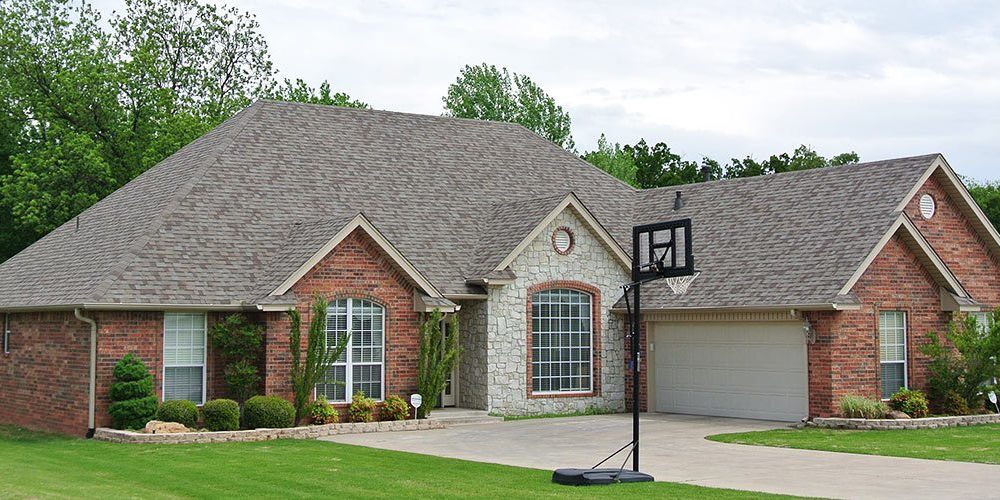
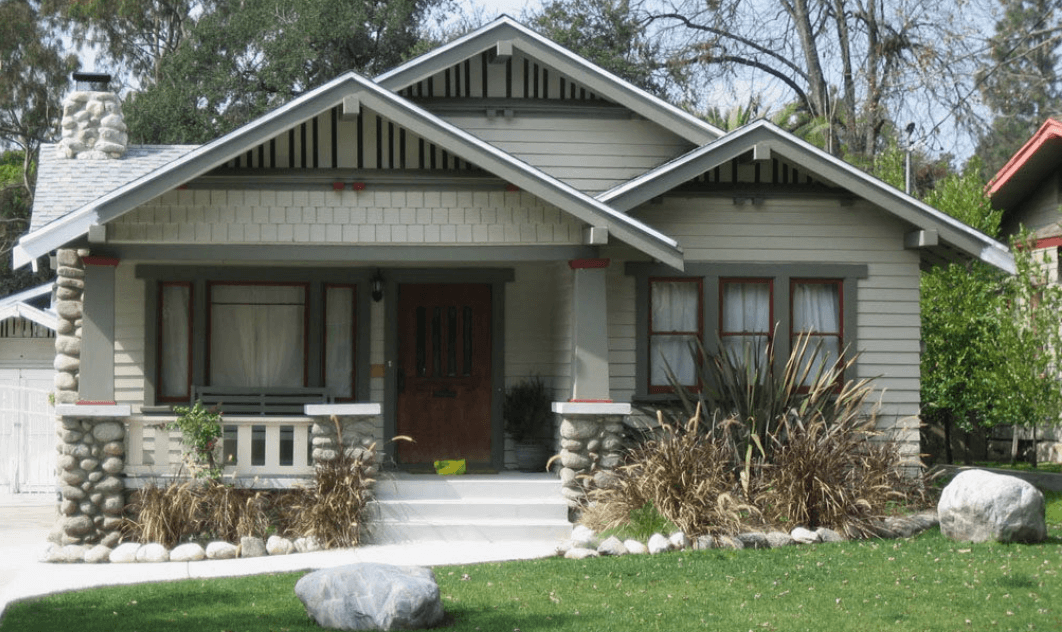
Basically, a gable roof is placed at the top of a hip roof to add more room as well as making a cleaner look. Front gable roofs are normally placed at the entrance of the house. This type of roof is seen in a colonial-style house. The crossed gable roof is also very popular in Shawnee through the Oklahoma City areas. To explain the crossed gable roof, it is where two gable roofs are put together at right angles. The two ridges are perpendicular to each other. The lengths, pitches, and heights may or may not be the same. The first image on this page is a crossed gable roof.
Cons to The Gable Roof
With all the pros to a gable roof, you might think it is the perfect roof for your Oklahoma City home. There are however some negatives to the gable roof. The gable roof can be problematic in high wind areas. In Shawnee and Oklahoma City hurricane-strength winds are a yearly threat. With such a wind threat you need to make sure your gable roof is constructed with proper supports. Make sure your contractor uses hurricane clips throughout the construction. If the overhang is too long, high winds can create an uplift underneath and literally cause the roof to detach from the walls.
The Mansard Roofing System
Often referred to as a French roof, the mansard roof is four-sided and has a double slope on every side that comes together to create a low-pitched roof. Talk to your local trusted roofer and you’ll find that these roofs offer plenty of additional living space, which can be used for extra living quarters or a full attic. They also offer you the flexibility to easily make additions to your home in the future, which is helpful if your needs for the home change or you want to add some value to your home. While these roofs may cost a bit more, the additional space they offer, as well as their unique style, is well worth the cost. The additional living space provided by this roofing system is one reason you will see it on so many Oklahoma City and Shawnee apartment buildings.
Common Roofing Materials
Wood shingles and shakes are made from cedar, redwood, southern pine and other woods making for great roof types Shawnee. Wood shingles are machine-produced, while shakes are handmade and a little more rustic in style. Keep in mind that some local building codes limit the use of wood shingles and shakes because of fire resistance concerns, given that many wood shingles and shakes only have Class C fire ratings or even no ratings at all. However, Class A fire ratings are available for certain wood shingle products that incorporate a factory-applied, fire-resistant treatment.
Clay or concrete tile is durable roofing material. Mission and Spanish-style round-topped tiles are used widely in the Southwestern United States and Florida, and flat styles also are available to create French and English looks. Tile is available in a variety of colors and finishes. If you are replacing another type of roof system with tile, you will need to verify that the structure can support this heavy material.
Slate is available in different colors and grades, depending on its origin. While it is virtually indestructible, it’s also more expensive than other materials. In addition, its application requires special skills and experience.
Metal has been found to be a great roofing alternative for home and building owners with steep-slope roofs. Metal panel roofing exists in numerous shapes and configurations. Metal shingles typically are intended to simulate traditional roof coverings, such as wood shakes, shingles, and tile. Apart from metal roofing’s longevity, metal shingles are fairly lightweight, have a greater resistance to weather, and looks great. Some even have Class A fire ratings.
Modified Bitumen
Membranes are hybrids of the built-up system, only pre-manufactured in the factory. The products come in rolls and are made of modified asphalt or coal tar systems with rubber added for low temperature and elongation characteristics. These products typically use a built-up membrane underlayment before application of the applied, self-adhered, or mopped in place with hot bitumen. We always surface with a type of Topping System.
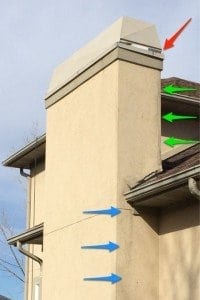
PVC
Polyvinyl Chloride Sheets are manufactured into rolls and are usually mechanically fastened to a roof deck assembly. Screws and plates are used to hold the roof membrane to the roof assembly. Seams are welded together using heat and are oftentimes sealed with a lap sealant. PVC membranes are reinforced with a fabric scrim and available in tan and white colors. This membrane may not require a topping system.
TPO
TerPolymer Olefins are typically fleece-backed sheet membranes that are adhered with adhesives to insulation. These products are typically white in color and maybe reinforced. On such systems, there may not be a topping system.
Single Ply
Single Ply roofing systems are simply a single ply of a roofing material made from several types of polymer plastics and rubbers.
Built-Up
There are basically two types of built-up roofing (also known as BUR). The primary difference is that either a coal tar pitch or asphalt waterproofing could be used as the waterproofing element between piles of reinforcing felt. Both systems have different advantages.
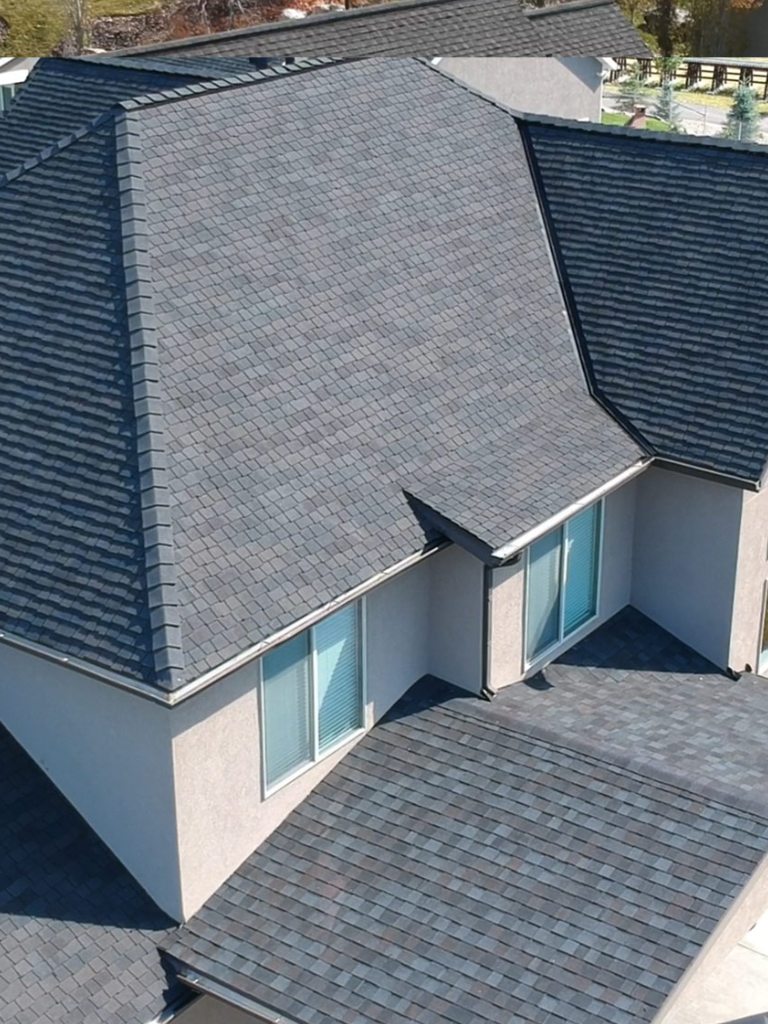
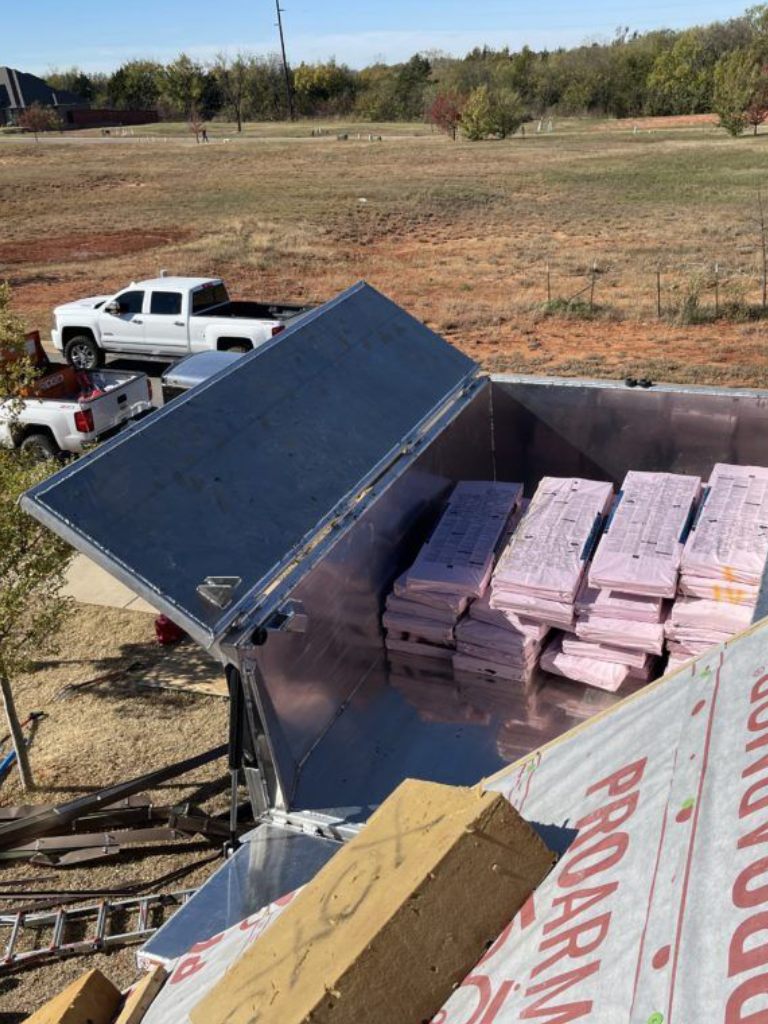
EPDM
Ethylene Propylene Diene Monomer is manufactured into large sheets for application to insulation on a roof. The material can be loose laid and ballasted with rocks or pavers to hold the membrane in place. EPDM may fully or partially adhere. Seams and the membrane are adhered with contact adhesives, with seams sometimes sealed with a sealant. Toppings may or may not be required by the manufacturer in many cases. This product is available in the color black.
Liquid-Applied Systems
When faced with a confined urban space, numerous roof penetrations, or restricted use of hot asphalt or heat welding, there’s now an ideal solution to your roofing constraints. Construction Masters Roofing liquid-applied systems provide a seamless waterproof membrane that is easily applied and conforms to any penetration shape.
BEST ROOFING MATERIALS
Choosing the right roof for your Oklahoma home isn’t an easy decision. You should consider several factors, including quality, durability, costs, and curb appeal, when selecting the right roof for your home. Shingle roofs are a very popular option for roofing Shawnee homes when looking for a high-quality roof that looks great and fits their household budget. High-quality shingle roofs can even help you save money on your home insurance premiums. There also is a wide range of shingle colors and textures to choose from, so you can select the roof style that will look best on your Shawnee home.
Unfortunately, there are many shingle roofing companies in the greater Shawnee and Oklahoma City areas that claim to provide professional installation services, but the quality of their work is lacking. Fortunately, many shingle manufacturers now are setting strict roof installation standards, which helps to ensure the quality of their products. As one of the top shingle manufacturers in the world, CertainTeed is paving the way for tougher guidelines.
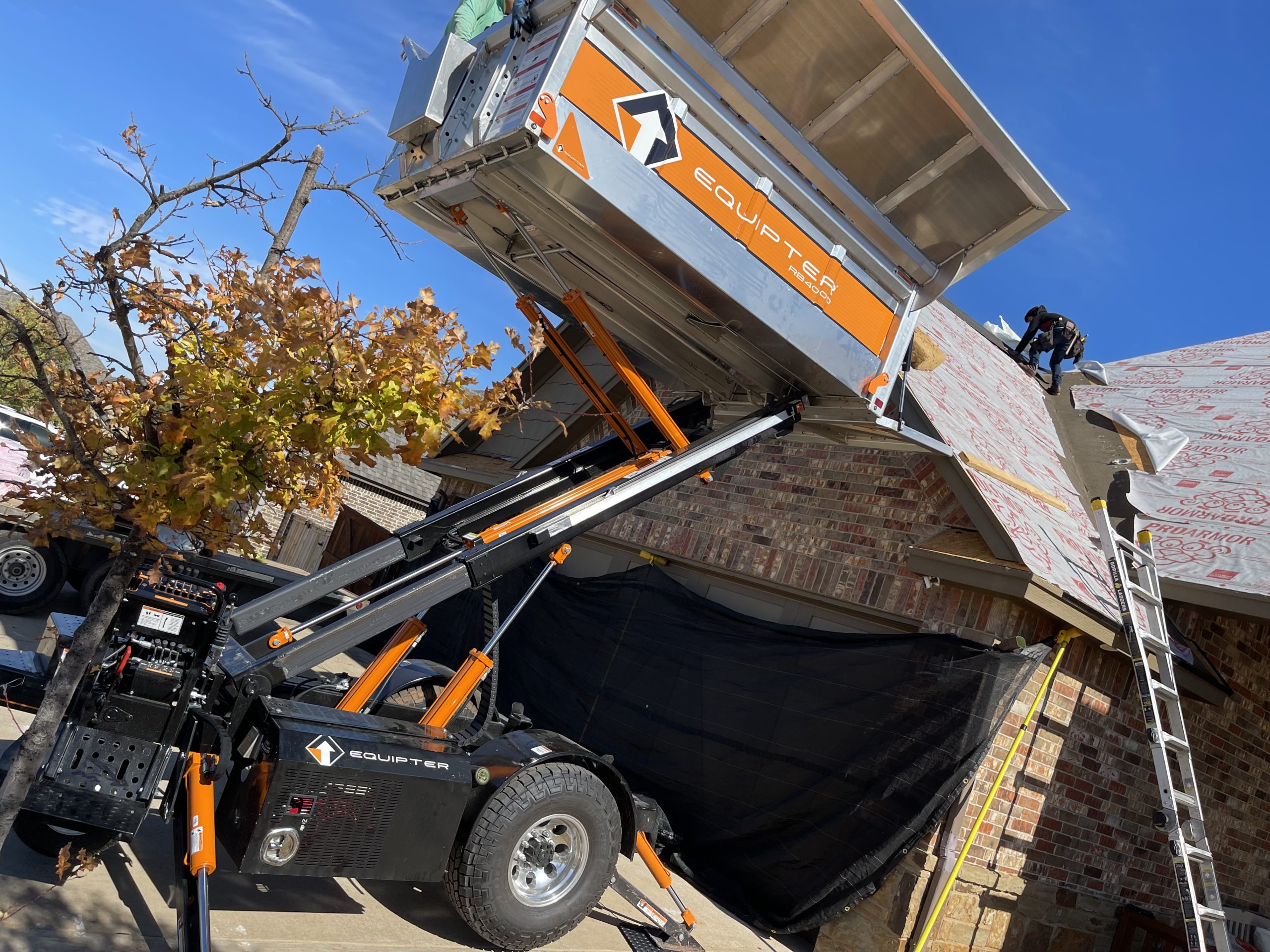
Roofing Tyler: Experts in Shingle Roofs
When it comes to roofing Oklahoma City homes– Legend Roofs — carries the CertainTeed Shingle Master Roofing Contractor certification. This is the echelon that roofing contractors strive to obtain for a roofer in Shawnee and throughout the nation. A small percent of roofing companies qualify for this certification. Because CertainTeed is confident in the exceptional shingle roof installation services provided by Legend Roofs Contracting, we are able to offer our customers extended warranties on their products. The warranty often includes wind damage, warranties on labor, and other common issues. Learn more about CertainTeed shingle options with their interactive ColorView.
Roofing Tyler: Other Factors to Consider
Ventilation, along with high-quality roofing products and installation, is crucial for extending the longevity of your new roof. This helps decrease the heat and moisture buildup that can cause expensive problems on the roof. These include ice damming, deterioration of the roof, and the presence of mold. If your roof’s ventilation doesn’t meet manufacturer standards, it could void any type of warranty.
Another factor involved in installing a quality shingle roof is to create a waterproof barrier. CertainTeed’s roof runner, this barrier prevents mold and rotten wood caused by ice or rain.
Strong adhesion is also vital in a quality roofing job. This prevents your shingles from blowing away during thunderstorms and other windy conditions. The adhesion helps prevent water from building up in the most vulnerable areas of your roof, such as the eaves and peaks. The CertainTeed Landmark lifetime warranty shingle will accomplish this goal on your Oklahoma City home.
Our Oklahoma City roofing contractors at Legend Roofs are knowledgeable; allow us to help you find the best combination of roofing materials, shingles, roof ventilation, and synthetic felt roofing products for your Shawnee and Oklahoma City home.
Add Your Heading Text Here
ROOF FLASHING PROBLEMS
One of the most common roofing problems is issues with your flashing. These happen when your flashing wasn’t installed correctly, or when it has become damaged due to exposure to the elements. Flashing problems can start small, but they can often grow quickly if moisture is getting into your home. Hire a trusted local Oklahoma City roofer and let him explain the best roofing flashings to use.
Oklahoma City Roofer: What Is Flashing
You have probably noticed that your roof is more than a flat, shingled surface. There are a number of places where holes have been created to allow your home to function properly. For example, your chimney exits your home through the roof, and in many cases, exhaust pipes vent through the roof as well. You may also have a skylight, which requires a hole in the structure of your roof. As a Shawnee roofer, I would love not to have any hole in a roof if possible.
Your roofing company uses a special material called flashing to seal off all of these holes. It is usually made of sheet metal or copper, though in certain situations your roofer may choose plastic flashing. The material tightly connects your chimney, windows, and other features to the roof itself, making them watertight.
Oklahoma City Roofer: What Happens When Flashing Is Damaged
Over time, the elements can take a toll on your roof. Heavy winds, snow, sleet, and hail can all damage flashing, and in some cases, it will have to be removed altogether. Plastic flashing is especially susceptible to damage because it loses strength after lengthy exposure to the sun.
Damaged or missing flashing means the holes in your roof are not sealed against the elements, so moisture can enter your home. This leads to rot, mildew, and mold in the ceilings and walls of your home. If the flashing is not repaired quickly, you may start to see leaks.
What Steps Should You Take to Solve The Problems?
Instead of waiting until you notice a problem in your home, such as mold spots on your walls or drips coming from your ceiling, schedule regular appointments for your roofing company to do routine check-ups. They will spot small problems and potential weak spots early before any damage is done.
If you notice any issues with your flashing or you start to see evidence of water damage in your home, call your roofing contractor right away. The longer you wait, the larger and more costly your repairs could be.

PROPER ROOF VENTING
In Oklahoma City roofing, proper roof ventilation is vital to both a home’s insulation and the continued health and longevity of the roof. When a roof is vented properly, both the attic and the roof will benefit. If a roofer vents an attic or a roof incorrectly, the result will be leakage, poor insulation, and even mold growth will be possible.
The Purpose of Roof Ventilation
Your new roof’s ventilation will have a different function depending on your climate. In a cold climate, the heating venting from your roof will keep ice dams from developing on your roof. The vent systems will also vent moisture that would otherwise breed mold and cause a musty smell. But in a warm climate like in Shawnee or Oklahoma City Oklahoma, your roof’s ventilation will let the hot air that rises to your attic escape.
Shawnee Roofing: How It Works
No matter your Shawnee home’s construction, your roofing contractors will ventilate your home in essentially the same way. The roofers must ensure the attic’s ceiling is completely airtight and that the attic is well-insulated, with nothing additional in it that would compress the insulation. (If you plan to store things in your attic, you will need to construct an elevated platform to keep the insulation integral.)
Ideally, good roofing ventilation will not use too many ducts. Ducts are difficult to seal and prone to leakage, so it’s better to use a carefully constructed baffled vent system. Baffled vents, with exit routes at the very top of your roof and intake vents near the bottom, use physics to ensure a steady flow of air through your home. Your home must have intake and exhaust venting to be properly ventilated.
Add Your Heading Text Here
Add Your Heading Text Here
Shawnee Roofing: How It Works
No matter your Shawnee home’s construction, your roofing contractors will ventilate your home in essentially the same way. The roofers must ensure the attic’s ceiling is completely airtight and that the attic is well-insulated, with nothing additional in it that would compress the insulation. (If you plan to store things in your attic, you will need to construct an elevated platform to keep the insulation integral.)
Ideally, good roofing ventilation will not use too many ducts. Ducts are difficult to seal and prone to leakage, so it’s better to use a carefully constructed baffled vent system. Baffled vents, with exit routes at the very top of your roof and intake vents near the bottom, use physics to ensure a steady flow of air through your home. Your home must have intake and exhaust venting to be properly ventilated.
Shawnee Roofing: Meeting Standards
To ensure the safety of your home, the International Code Council, ASHRAE and the U.S. Department of Housing and Urban Development have all laid out standards for the ventilation of homes. Each home must have one foot of net-free ventilation for every 150 square feet of attic floor space, or one foot of ventilation for every 300 feet of floor space if half the vents are at the top of the roof and a half at the bottom.
Make sure you hire a fully credentialed Shawnee roofing contractor to work at your home. Not only is this the best way to make sure your home’s ventilation meets all safety standards, but the contractor will also ensure that your home’s ventilation is well-designed and does not leak.
The Why, How and What of Proper Roof Ventilation
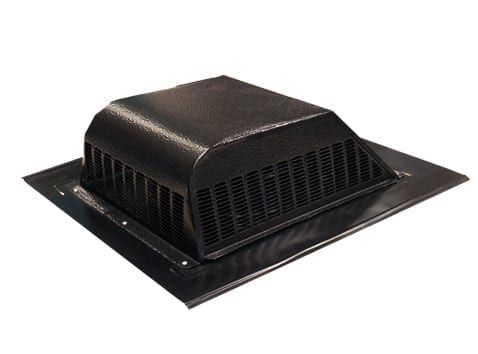
Improper ventilation of a roof can lead to a number of problems, including mold, leaks, and the need to replace shingles sooner than expected. In the hot, humid environment of Oklahoma City, roofing ventilation is critical to the long-term success of any structure, making it important to seek experienced construction contractors or roofing companies when you are building a new structure or repairing an existing one.
The purpose of roof ventilation differs depending on the climate. In Oklahoma City, where it rarely gets cold enough for ice to form in sheets or dams on a roof, the primary concern for ventilation is dealing with heat. A properly installed roof venting system lets hot air escape. Since hot air rises, much of the heat in a home eventually makes its way to the attic or upper crawlspace. Without venting, that air would be trapped, heating the upper portion of a home. That can cause increases in utility costs and damage to your roof. In Oklahoma, moisture is also a problem thanks to heavy rainfall and humid air. Venting keeps moisture from building up under your roof, reducing the chance of mold and mildew growth.
A roofing contractor in Oklahoma City is likely to apply the same concepts to every type of house, though exact implementation differs according to building size and shape. First, a roofing company has to ensure an airtight ceiling in the attic. In an existing structure, the roofing company might have to repair or replace a ceiling that has too many unsealed areas. For ventilation to work properly, the attic or crawlspace has to be fully insulated. Insulation can’t be compressed by any additional structures or items, which is why a platform is created above it with plywood so you can store items. Finally, your Oklahoma City roofer will likely install a baffle vent system. Speak to your roofers to understand what type of duct system they plan to use in your attic; Adding too many ducts can create greater potential for leaks or create inefficient venting.
Numerous agencies, including the U.S. Department of Housing and Urban Development, publish ventilation standards for homes. These standards define how much ventilation space is required for certain amounts of attic floor space. Following such requirements is critical for both ongoing safety and protection of your home’s value. Now that you know why venting is important, ensure your roof gets the proper how and what by hiring an experienced, credentialed Oklahoma City, roofing contractor.
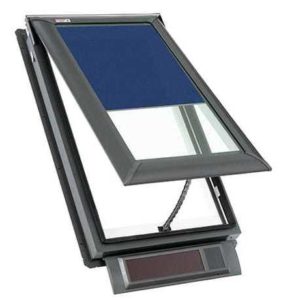
SHINGLE COLORS
Choosing a shingle color for your home is one of the most important things you do during your roofing project. We will have a list of Shawnee shingle colors on this page with some detailed information to help you chose the right shingle and color for your home. The shingle we will focus on here will be the CertainTeed Corporation’s Landmark shingle. The CertainTeed Landmark line has many options for your Shawnee shingle colors. The Landmark shingle has what is called a wide nail line strip embedded in the shingle for the roofing crews to place the nails in.
The city of Shawnee is always under threat for major hurricane-strength winds to your home’s roof. The Landmark shingle carries a 130 MPH wind warranty and when you use the ShadowRidge™or MountainRidge™ for your hip and ridge capping your entire home will have a 130 MPH wind warranty.
Follow this link to the CertainTeed ColorView. This is by no means, not all the colors that CertainTeed carries in the Landmark line, but this is the most popular and we will have another page with more specialty shingles. CertainTeed will have images of the total roof protection system on another page as well.
ROOFING SHINGLES GALLERY
At Legend Roofs we are roofing contractors who believe in only providing the best and highest quality roofing material for your new roof project. When you are choosing your shingle, color visits our roofing shingles gallery often to help make your choice. When you make an investment in your home that will change the appearance and increase the curb appeal like a new roof, you should be able to get exactly the new shingle color you want. Legend Roofs wants all our clients in the Shawnee and Oklahoma City areas of Oklahoma to have only the best roofing material. We believe that all our roofing clients should have nothing less than the best and that is why our lead shingle is by CertainTeed. We partner with CertainTeed due to their having practically every color imaginable as well as great warranties and customer service after the new roof install.
Roofing Shingles Gallery: Browse Our Premium Landmark Shingles
The CertainTeed Landmark shingle line is a laminated shingle that comes in all the most popular colors. The Landmark architectural shingle is a nice step up from the traditional three-tab shingle and offers an upgraded wind resistance warranty from the three-tab. High wind loads in high wind prone Shawnee to Oklahoma City areas can cause the shingle to blow off the roof deck and create a major roof and interior damage from roof leaks. The Landmark shingles when properly installed by a trusted local roofer carries up to a 130 MPH wind warranty. Algae growth causes brown and black streaks to grow on shingles and although this does not hinder the service life and water-shedding ability of shingles it makes your home’s roof look downright ugly. The CertainTeed Landmark shingle carries up to a ten-year warranty for algae resistance and you can call Legend Roofe anytime for full details of the algae warranty.
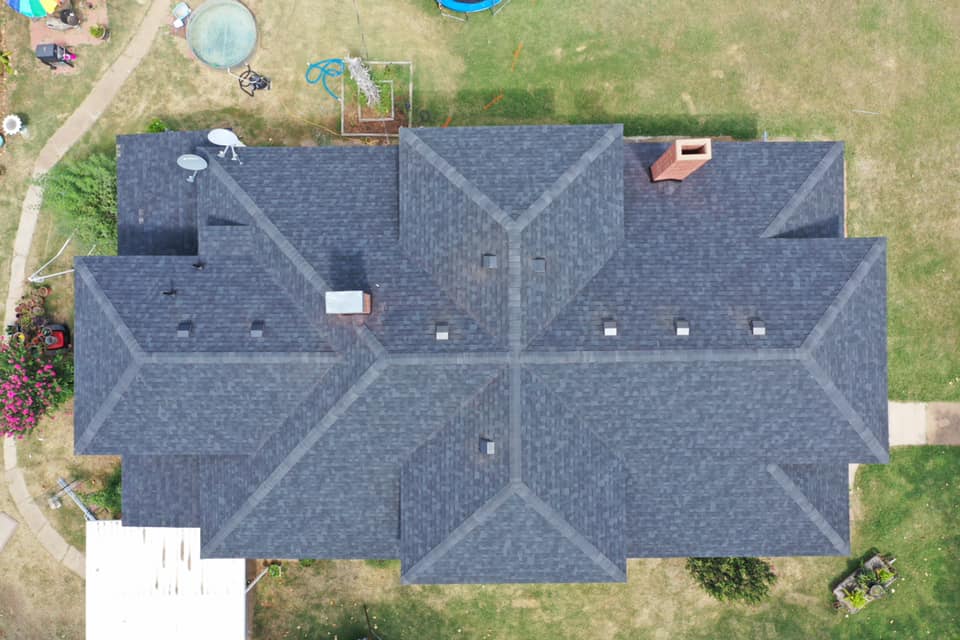
Roofing Shingles Gallery: Oakridge Shingles Technical Specifications
When you’re thinking about a new roof keep in mind you can get energy star rated shingles just like an energy star appliance for your home. Roofing products now come in energy-efficient shingles and when properly installed by your roofer can reduce your home’s electric bill and make for a more comfortable setting. The CertainTeed Landmark shingle comes sixty-four shingles to a bundle and takes three bundles for one square which is one hundred square feet. The CertainTeed Landmark has a nominal size of 13 1/4″ X 39 3/8″, it has a 5 5/8″ exposure ten-year algae and limited lifetime total warranty. Call Legend Roofs today for a full listing of the CertainTeed Landmark shingle specifications and warranties. Please browse our roofing shingle gallery below to help choose your new roof shingle color.
COOL RATED SHINGLES
In today’s energy-conscious society better shingles and more so energy star rated shingles are becoming more popular. In Shawnee roofing, we have become much more proactive helping clients find the right energy star rated shingle for their new roof project.
Shawnee Roofing: What Makes an E Rated Shingle
In the late 1990’s energy efficiency was foremost on everyone’s mind and certainly in a progressive city like Shawnee and Oklahoma City. Consumers needed a way to know they were getting an energy-efficient product without just taking the word of a corporation. In 1998 the Cool Roof Rating Council was formed to a credible and accurate way to evaluate and label solar reflective and emittance of roofing products. Another main function of the Cool Roof Rating Council is to disseminate the information gathered in rating roofing products for radiative properties to all interested parties.
Energy Rated Roofing Products
Many consumers have heard of the E-rated metal roof but have little knowledge of E-rated shingles. All major manufacturers of roofing shingles now make energy star rated shingles. The CertainTeed Corporation has a line of E-rated shingles.
ASPHALT SHINGLES
Roofing Services with asphalt shingles by far and away are the number one roof covering over the steep-sloped roofs of the Shawnee and Oklahoma City areas of Oklahoma. Developed over a century ago, asphalt shingles have proven to be one of the most cost-effective solutions for commercial and residential applications.
Organic shingles made with a base of wood fiber and asphalt have given way to fiberglass-reinforced shingles which dominate the market today and have made roofing services much more flexible. These shingles offer the homeowner many choices of colors and styles, as well as the length of warranty for the right mix of durability, appearance, and affordability.
Used in many steep-slope commercial roofing applications, asphalt shingles are available in a tremendous range of colors and styles. Designers, builders, and owners have literally hundreds of asphalt shingle products to choose from. Asphalt shingles roofing services are available in a basic “three-tab” design; the middle-range “dimensional” or “laminated” shingle (most popular option in new home construction); and the “top-of-the-line” heavyweight shingles.
Noted for their low cost and ease of application, asphalt shingles continue to be popular due to their great look. No matter the architectural or style requirement, there is an asphalt shingle produced that will fit in very nicely. The Oklahoma City homeowners in particular require roofing services capable of dealing with much steeper homes along with many more valleys to deal with. A top roofing contractor in Oklahoma City will have to provide these roofing services to be successful.
Benefits of Shingle Roofing
- Available in a wide variety of dimensional styles, sizes, and thicknesses
- Available in dozens of designer colors
- Available with granules resistant to algae and fungus
- Water repellent
- Durable and very long-lasting
- Available with fire ratings to meet any building code
- Available with resistance to wind and hail
- Available with extended labor and material warranties
Add Your Heading Text Here
Add Your Heading Text Here
CertainTeed ColorView
Use the CertainTeed ColorView if you want to see what your roof may look like before the project starts? Or just want to try a few things to see how they look? CertainTeed has developed a software tool that will allow you to do just that. You can upload a picture of your home or choose from a range of popular home styles. If you have a gable roof choose a preloaded house with the same type gable roof or if you have a very common hip roof, choose a stock hip roof CertainTeed already has ready to go. This is a fast and easy way to get an idea of what your new roof will look like. Try out professionally designed palettes or create custom color combinations. When you’re done you can print your design, show it off, or forward it to us at Legend Roofs. You can register with them to save your work or just use your zip code to get started. If you feel you can push a little harder you can always upload a picture of your own home and let CertainTeed’s roof design tool work with your very own home. This way takes just a little more effort but this may be a once in a lifetime project getting a new roof. The extra effort will always be worth it in the end. Since this is such a rare event, getting a new roof to be sure to do all the reading and learn all you can about roofing products and warranties.
We’re proud to be a Shingle Master Contractor with CertainTeed and this tool, CertainTeed ColorView, is a great way to see what they have to offer. Click the link below and you’ll be taken to the CertainTeed site to start the process Choose from the full lineup of shingles, Landmark, or even a special class four high impact shingle.